Pakistan’s Water Crisis: Causes, Impacts and Sustainable Solutions
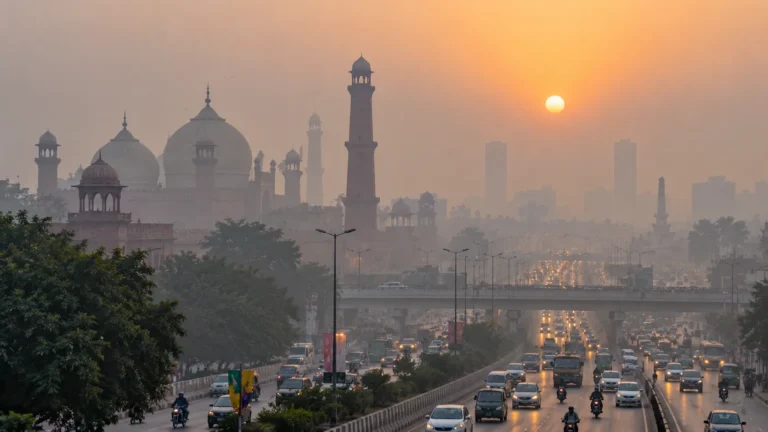
Pakistan’s water crisis is becoming a major challenge for agriculture, public health, economic development, and environmental sustainability. Population growth, excessive groundwater extraction, inefficient irrigation, and water pollution are putting increasing pressure on the country’s freshwater resources. Addressing this challenge requires better water management, effective policies and sustainable solutions.
Understanding Pakistan’s Water Crisis
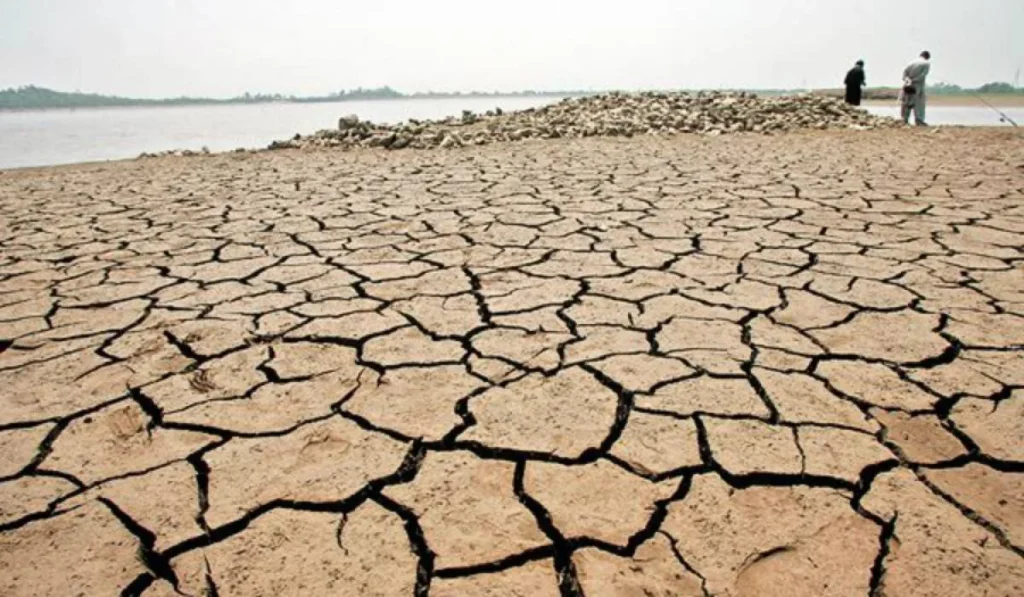
Pakistan has moved from relative water abundance towards water scarcity. According to Pakistan’s State Bank, renewable water resources per capita declined from approximately 4,470 cubic metres in 1967 to around 1,013 cubic metres in 2022. The commonly used international threshold for water scarcity is 1,000 cubic metres per person annually.
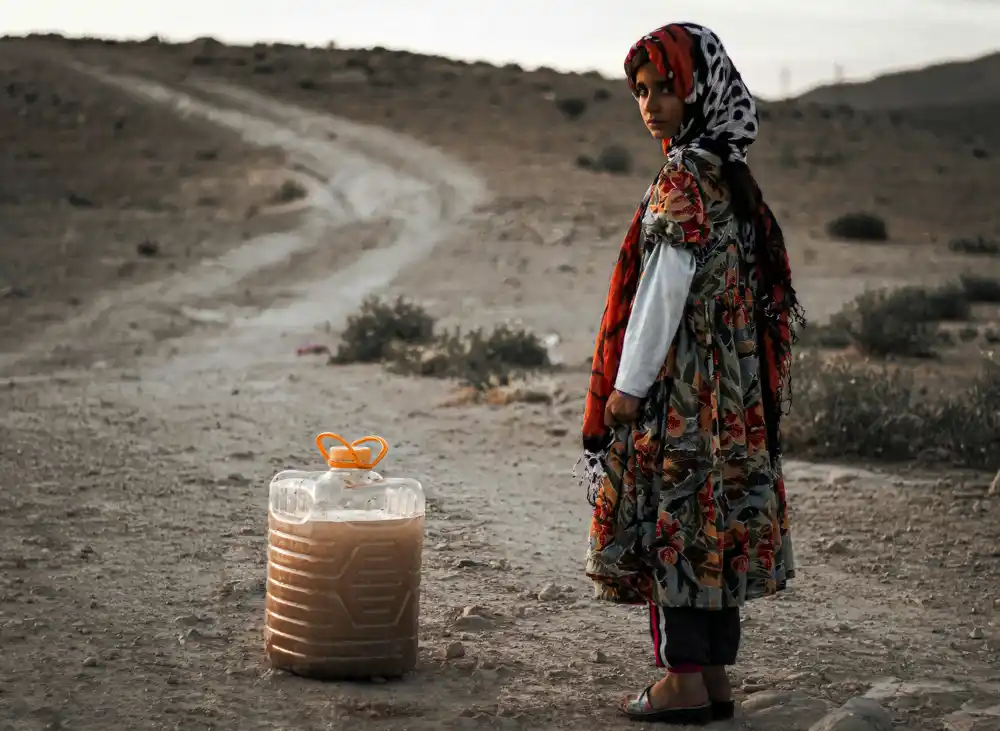
Access to safe drinking water is another serious concern. The UN Sustainable Development Goals database reports that only 45% of Pakistan’s population used safely managed drinking water services in 2024. This indicator requires water to be accessible on premises, available when needed, and free from contamination. These figures demonstrate that Pakistan faces both limited water availability and significant challenges in ensuring safe, reliable water supplies.
Major Causes of Water Scarcity in Pakistan
1. Population growth and rising demand
A growing population increases demand for drinking water, food production, sanitation and industrial activities. When water infrastructure and management fail to keep pace with demand, shortages worsen.
2. Inefficient agricultural irrigation
Agriculture is a major user of Pakistan’s freshwater resources. Traditional flood irrigation, poorly maintained canals, and limited adoption of water-efficient practices can contribute to water losses. Crop selection and irrigation scheduling also influence how efficiently water is used.
3. Groundwater depletion
Groundwater supports households and farmers across the country. However, excessive pumping, particularly in heavily irrigated and urban areas, can lower water tables and increase pumping costs. Groundwater contamination and salinity further threaten its long-term usability.
4. Climate change and changing rainfall patterns
Rising temperatures, changing rainfall patterns, floods and droughts complicate water planning. Pakistan’s dependence on the Indus River system and seasonal snow and glacier melt makes effective storage, forecasting and climate adaptation particularly important.
5. Water pollution and inadequate wastewater treatment
Untreated municipal sewage, industrial discharge and agricultural runoff can contaminate rivers, groundwater and other water sources. Pollution reduces the amount of water suitable for drinking, irrigation and ecosystem health.
Impacts of the Water Crisis
Water scarcity threatens food security because farmers need reliable supplies to grow crops and sustain livestock. Water shortages can also increase production costs and affect rural livelihoods.
Unsafe drinking water exposes communities to waterborne diseases and other health risks. Inadequate sanitation and contaminated sources can disproportionately affect children and low-income households.
Environmental impacts include declining river and wetland health, pressure on aquatic biodiversity, soil salinity, and degradation of freshwater ecosystems. Competition for limited supplies can also intensify social and economic inequalities.
Sustainable Solutions for Pakistan
Improve irrigation efficiency: Promote suitable drip and sprinkler irrigation systems, better canal maintenance, soil-moisture monitoring and irrigation scheduling. These methods should be selected according to local conditions and evaluated for actual water savings.
Regulate groundwater use: Improve groundwater monitoring, establish locally appropriate extraction rules and encourage sustainable pumping and aquifer recharge where scientifically suitable.
Treat and reuse wastewater: Expand municipal and industrial wastewater treatment, enforce discharge standards and safely reuse treated water for appropriate agricultural, industrial and urban purposes.
Protect watersheds and ecosystems: Restore wetlands, protect river catchments, improve soil conservation and support nature-based solutions that reduce erosion and strengthen climate resilience.
Strengthen water governance: Implement Pakistan’s National Water Policy, improve coordination between institutions and provinces, invest in reliable water data, and encourage public participation in conservation.
Improve public awareness: Promote water-efficient household practices, rainwater harvesting where feasible, and responsible water use in schools, communities, and businesses.
Conclusion
Pakistan’s water crisis is not simply a shortage of rainfall or rivers. It is also a challenge involving water quality, excessive withdrawals, infrastructure, governance and climate resilience. Combining efficient irrigation, sustainable groundwater management, wastewater treatment and stronger environmental policies can help protect water resources for future generations.
Long-term progress depends on evidence-based decisions, effective implementation and cooperation among government institutions, farmers, industries, researchers and communities.
References and Further Reading
- State Bank of Pakistan, Annual Report FY2025, Chapter 2: https://www.sbp.org.pk/reports/annual/aarFY25/Chapter-02.pdf
- UN Sustainable Development Goals Database, Pakistan — Goal 6: https://unstats.un.org/sdgs/dataportal/countryprofiles/pak
- World Bank, Managing Groundwater Resources in Pakistan’s Indus Basin: https://www.worldbank.org/en/news/feature/2021/03/25/managing-groundwater-resources-in-pakistan-indus-basin
- World Bank, Pakistan: Getting More from Water: https://documents1.worldbank.org/curated/en/251191548275645649/pdf/133964-WP-PUBLIC-ADD-SERIES-22-1-2019-18-56-25-W.pdf