Air Pollution in Pakistan: Causes, Effects and Sustainable Solutions
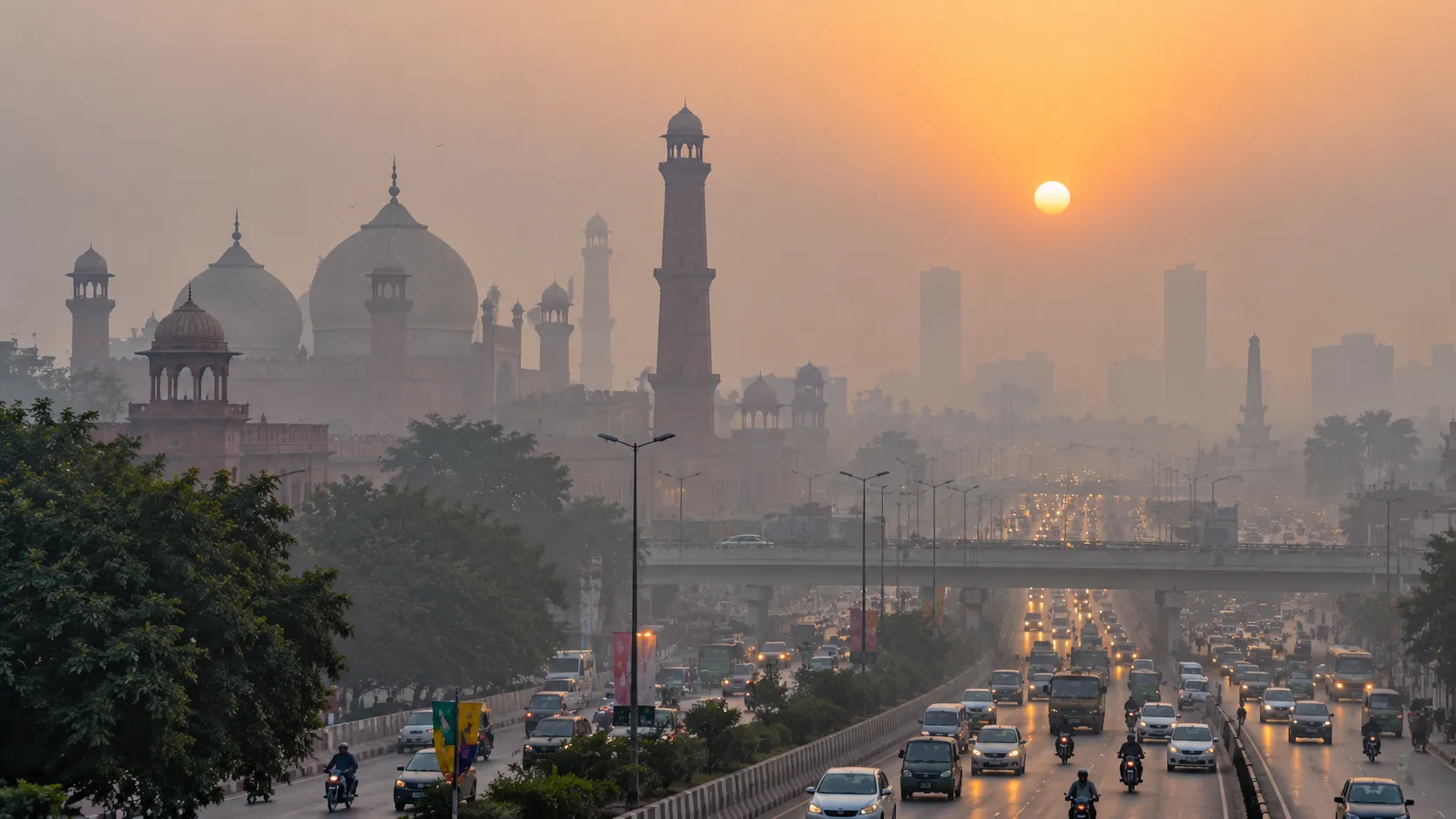
Air pollution is one of Pakistan’s most serious environmental challenges, affecting public health, agriculture, urban development, and quality of life. Cities such as Lahore, Faisalabad and Karachi experience significant air quality problems, while seasonal smog frequently worsens conditions across Punjab. Tackling this crisis requires cleaner energy, effective environmental policies, and coordinated action across major pollution sources.
Understanding Air Pollution in Pakistan
Air pollution occurs when harmful gases and particles accumulate in the atmosphere. One of the most concerning pollutants is PM2.5, fine particulate matter measuring 2.5 micrometres or less in diameter. These particles can penetrate deep into the lungs and contribute to cardiovascular and respiratory diseases.
According to IQAir’s 2025 World Air Quality Report, Pakistan recorded an annual average PM2.5 concentration of 67.3 micrograms per cubic metre (µg/m³). The World Health Organization recommends an annual guideline of 5 µg/m³. This comparison highlights the scale of Pakistan’s air quality challenge, although annual averages do not describe pollution levels at every location or time.
Major Causes of Air Pollution
1. Vehicle emissions
Cars, motorcycles, buses, and heavy-duty vehicles release pollutants through fuel combustion. Older engines, poorly maintained vehicles, traffic congestion, and inadequate public transport can increase emissions, particularly in densely populated cities.
2. Industrial emissions and brick kilns
Factories, industrial boilers and brick kilns can release particulate matter and harmful gases when they burn fossil fuels or other materials inefficiently. Weak enforcement of emission standards can worsen their environmental impact.
3. Agricultural residue burning
Burning crop residues after harvesting releases smoke and fine particles. During certain weather conditions, these emissions can contribute to severe seasonal pollution across agricultural regions and nearby cities.
4. Construction dust and waste burning
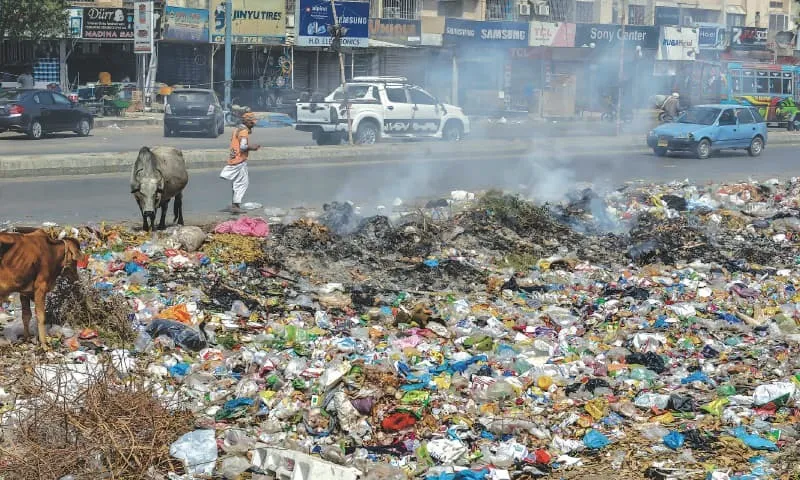
Uncontrolled construction activities, road dust and the open burning of municipal waste add particles and toxic pollutants to the air. These sources require better waste management, dust control and enforcement.
5. Household energy use
Burning solid fuels for cooking and heating can create harmful indoor pollution. Cleaner cooking technologies and improved ventilation can reduce exposure.
Effects of Air Pollution
Air pollution increases the risk of respiratory infections, asthma, chronic obstructive pulmonary disease, heart disease and stroke. Children, older adults and people with existing health conditions can be particularly vulnerable.
Pollution also affects economic productivity through illness, missed work and rising healthcare costs. Atmospheric pollutants can damage crops and ecosystems, while some pollutants also contribute to climate change.
Smog reduces visibility and can disrupt transport and outdoor activities. Its severity depends on emissions, wind, temperature and other atmospheric conditions, making continuous monitoring essential.
Sustainable Solutions for Cleaner Air
Improve public transport: Expand reliable public transportation, encourage cleaner vehicles and strengthen vehicle inspection and fuel-quality standards.
Control industrial emissions: Enforce emission limits, monitor industrial facilities and support cleaner production technologies, including improved brick-kiln designs.
Prevent crop-residue burning: Help farmers access residue-management machinery and practical alternatives, supported by appropriate incentives and enforcement.
Improve waste management: Expand waste collection, recycling and safe disposal while preventing open burning. Control construction dust through effective site management.
Strengthen environmental policies: Pakistan’s National Clean Air Policy, introduced in 2023, provides a national framework for reducing emissions across transport, industry, agriculture, waste and household energy use. Effective implementation requires coordination between federal and provincial authorities, reliable monitoring and transparent reporting.
Protect public health: Publish accessible air quality information, communicate pollution alerts and encourage people to reduce strenuous outdoor activity during severe pollution episodes.
Conclusion
Pakistan’s air pollution crisis cannot be solved through temporary smog-control measures alone. Long-term improvement requires reducing emissions at their sources, investing in cleaner technologies and enforcing environmental standards. Strong institutions, scientific monitoring and cooperation among government, industry, farmers and communities are essential to achieving healthier air.
References and Further Reading
- IQAir, 2025 World Air Quality Report: https://www.iqair.com/world-air-quality-report
- World Health Organization, Global Air Quality Guidelines: https://www.who.int/publications/i/item/9789240034228
- Government of Pakistan, National Clean Air Policy: https://www.mocc.gov.pk/Policies
- World Bank, Punjab Clean Air Program: https://www.worldbank.org/en/news/press-release/2025/03/27/pakistan-world-bank-supports-punjab-s-smog-mitigation-action-plan-with-300-million-concessional-loan